Shinthia: A Script Handwritten Font for Creative Branding
I was staring at a blank brand board, the usual chaos of a new project unfolding before me. The client wanted something elegant, personal, and memorable—a brand that felt handcrafted yet professional. I had just downloaded Shinthia, a Script Handwritten font created by the Polem foundry, and I knew it might be the key to unlocking the right visual language for this project.
Shinthia for Logo Design and Brand Identity
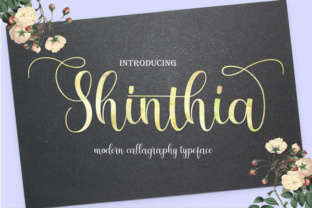
Shinthia is more than just a Script Handwritten font—it’s a typeface with personality. Its handmade calligraphy style feels warm and inviting, perfect for brands that want to convey authenticity and artistry. I started by testing Shinthia on a few logo drafts, pairing it with a simple sans serif font for balance. The result was striking: the script added a touch of elegance without overwhelming the design.
The OpenType features in Shinthia are a game-changer. Swashes and alternate characters gave me the flexibility to create unique visual elements that aligned with the brand’s aesthetic. Whether it was a custom logo or a tagline, Shinthia offered the versatility needed to maintain consistency while adding flair.
Shinthia for Packaging Design and Product Labels
As I moved into packaging design, I realized how well Shinthia worked on product labels. The font’s handwritten feel made it ideal for small business owners looking to add a personal touch to their branding. I used it on mockups for a handmade soap line, where the swashes and delicate curves brought the product to life.
Testing Shinthia on different materials—cardboard, paper, and even metallic finishes—showed how adaptable it is. It didn’t lose its charm on any surface, which is crucial when designing for multiple platforms. Plus, the font’s readability at smaller sizes meant it could work on everything from stickers to signage.
Shinthia for Social Media Graphics and Digital Assets
When it came to social media graphics, I was impressed by how Shinthia performed on digital screens. Its Script Handwritten style translated well to Instagram posts, Facebook banners, and even email templates. I used it as an accent font in a series of promotional images, highlighting key messages with a touch of sophistication.
One thing I loved about Shinthia was its multilingual support. It worked seamlessly across different languages, which was great for a client who planned to expand their reach internationally. The font’s clean lines and consistent spacing also made it easy to pair with other typefaces, whether it was a modern sans serif or a classic serif.
Shinthia for Website Headers and Editorial Design
For the website headers, I paired Shinthia with a clean, modern sans serif font to create a strong visual hierarchy. The contrast between the two fonts highlighted the brand’s dual nature—traditional yet contemporary. I tested it on different screen sizes and found that it maintained its impact even on mobile devices.
In editorial design, Shinthia added a creative edge to magazine layouts and brochures. It worked especially well in sections that required a more artistic feel, such as lifestyle pages or storytelling content. The font’s subtle variations and ligatures allowed for a level of customization that kept the design fresh and engaging.
Shinthia for Print and Commercial Design Projects
When working on printed marketing materials, I was confident that Shinthia would hold up. It looked stunning on posters, flyers, and even business cards. The font’s Script Handwritten style added a sense of craftsmanship that resonated with the brand’s values.
One thing I always recommend is testing a font before committing to a full brand system. With Shinthia, I did this by creating a variety of mockups—logos, packaging, social media visuals, and print materials—to ensure it met all my design needs. The result was a cohesive brand identity that felt both professional and personal.
Shinthia for Font Pairing and Design Flexibility
Shinthia isn’t just a standalone font; it’s designed to work well with others. I often paired it with a serif font for a classic look or a sans serif for a more modern feel. The font’s OpenType features made it easy to switch between styles, ensuring that the design remained versatile and adaptable.
For clients, I suggested using Shinthia as a headline font or an accent font rather than the primary text. This helped maintain readability while still allowing the font to shine in key areas. It’s important to remember that not every design element needs to be bold or dramatic—sometimes subtlety is the most powerful tool.
Shinthia for Real-World Applications and Client Work
Working with Shinthia on a real client project taught me a lot about its strengths and limitations. It’s best suited for projects that require a touch of elegance and artistry, whether it’s a boutique, a skincare brand, or a creative studio. The font’s Script Handwritten style adds a human element that can make a brand feel more approachable and trustworthy.
When recommending Shinthia, I always mention its commercial font licensing and file formats, which are essential for businesses planning to use the font in print and digital assets. The font’s inclusion of alternates and ligatures also makes it a valuable asset for designers looking to create unique, eye-catching designs.